Why Does Your Water Heater Produce Brown Water?
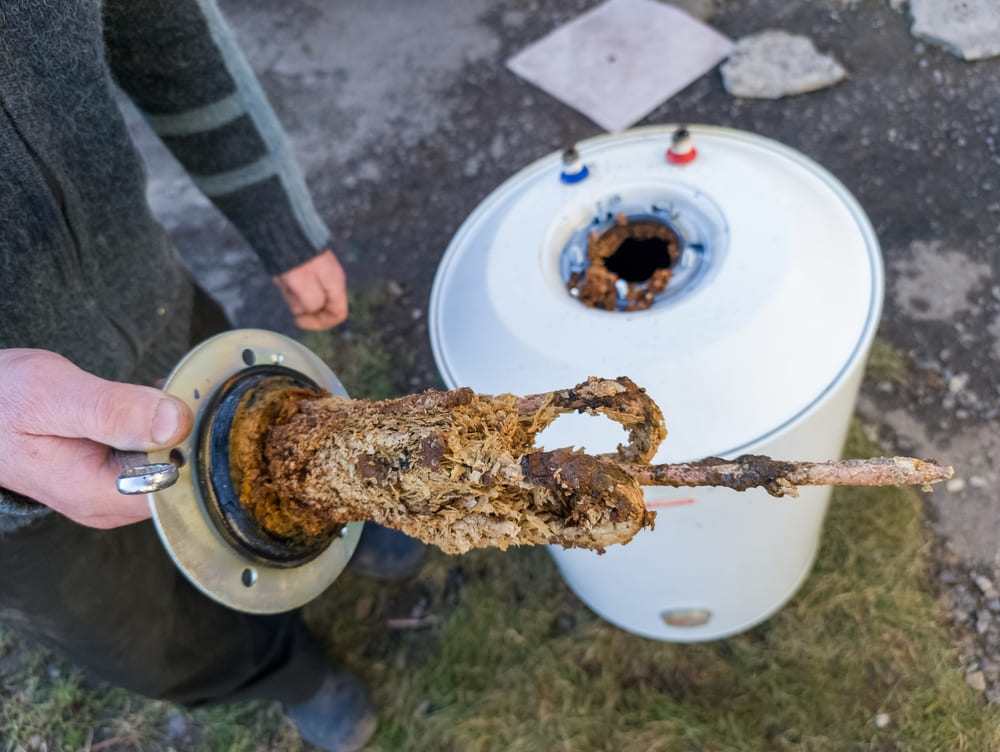
Hot water from a water heater should be clear and safe to use. However, some users have experienced an unpleasant situation when the water that comes out is brown, cloudy, or looks like it is mixed with rust. This problem often causes concern because it directly affects cleanliness, comfort, and the safety of using water at home. To understand the cause, it helps to know what is actually happening inside the water heater system and the water installation as a whole.
Brown Water as a Sign of an Internal Problem
Brown water generally indicates metal particles, rust, or sediment being carried along by the water flow. In a water heater, this condition rarely appears suddenly without a cause. There is usually a process that runs for a long time before it becomes clearly visible in the color of the water.
Changes in water color often come from internal components of the tank, the distribution pipes, or the quality of the water used every day. The longer the unit operates without maintenance, the greater the likelihood that this problem will appear.
Corrosion Inside the Water Heater Tank
The most common cause of brown water is corrosion inside the water heater tank. Most storage-type units use a metal tank coated with enamel or another special protective lining. Over time, this lining can thin out or become damaged.
When the protective lining is no longer effective, the water comes into direct contact with the metal of the tank. Oxidation then occurs and produces rust. These rust particles are dissolved or carried along by the hot water when the tap is opened, which makes the water look brownish.
The Role of a Worn-Out Anode Rod
Inside the water heater is a component called an anode rod, which protects the tank from rust. An anode rod works by “sacrificing itself,” meaning it attracts the corrosion process so that it occurs on this rod rather than on the main tank.
If the anode rod has been used up or has not been replaced for a long time, the protection for the tank is greatly reduced. As a result, rust begins to form on the inside of the tank and affects the quality of the water that comes out.
Mineral Deposits and Scale from Water Quality
Water with a high mineral content, such as iron or manganese, can also cause brown water. When water is heated, these minerals settle more easily and stick to the bottom of the tank or to the heating element.
Over time, these deposits can be stirred back up when the water heater is in use, especially when water flow is high or after the unit has been left unused for a while. The loosened deposits are what make the water look cloudy or an abnormal color.
Rusted or Old Water Pipes
Not all causes of brown water originate from the water heater itself. The water pipe installation, especially if it still uses old iron or steel pipes, can also become a source of the problem.
Pipes that are aged and suffering from internal corrosion can release rust flakes into the flow of hot water. Because hot water is more reactive than cold water, rust particles are more easily carried along and become clearly visible when they come out of the tap.
Water Heaters That Are Rarely Used
Interestingly, brown water also often appears in water heaters that are rarely used. When water is left to sit for too long in the tank, metal particles and minerals have more time to settle and react.
When the water heater is used again after being inactive for a long time, these deposits come out with the first flow of water. This is why brown water often appears at the start of use and then gradually becomes clear again.
Never Flushing the Tank
Flushing, or draining the tank, is a basic maintenance task that is often overlooked. Without regular flushing, mineral deposits, fine sand, and leftover rust will keep accumulating at the bottom of the tank.
When the amount of sediment grows, some of it will be carried away as water flows. Besides affecting the color of the water, this condition also reduces the performance of the water heater and makes energy consumption less efficient.
The Impact of Brown Water on Users
Brown water is not always immediately dangerous, but it is still not ideal for use, especially for bathing, washing your face, or other household needs. Rust particles can cling to the skin, leave stains on sanitary fittings, and damage bathroom fixtures.
In the long term, this condition is also a sign that the water heater or the piping system requires serious attention. Ignoring it could lead to more severe tank damage or leaks.
How to Confirm the Source of the Problem
To find out whether the brown water comes from the water heater or from the pipe installation, users can perform a simple check. Compare the color of the hot water and cold water from the same tap.
If only the hot water is brown, the problem most likely originates from the water heater. However, if the cold water shows a similar color, the pipe installation or the main water source should be suspected.
First Steps You Can Take
A few initial steps can help reduce the problem of brown water. Draining the tank regularly helps remove accumulated sediment. Inspecting and replacing the anode rod is also important to prevent further corrosion.
If the water heater is quite old and the problem keeps recurring, evaluating the condition of the tank becomes a reasonable step. In some cases, replacing the unit is more effective than a temporary repair.
Why Maintenance Matters for Water Quality
Brown water from a water heater is not merely a cosmetic issue but a signal that an internal process is not working as it should. By understanding the cause, users can take the right steps before the problem becomes more serious.
Routine maintenance, an understanding of water quality, and using the water heater as recommended will help keep water clean, clear, and comfortable to use every day.