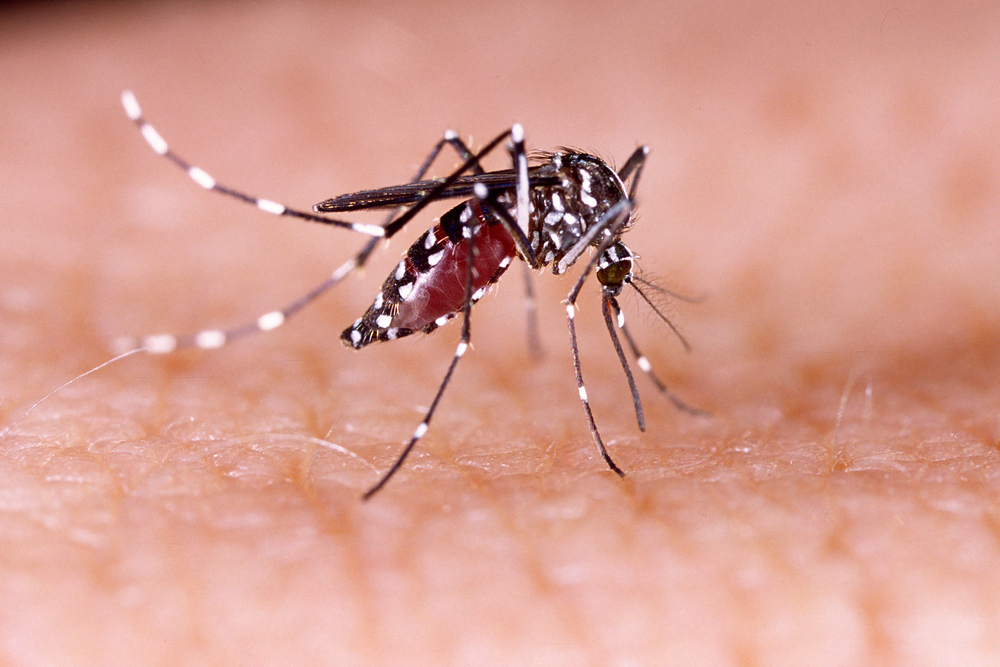
Dengue hemorrhagic fever, known in Indonesian as Demam Berdarah Dengue (DBD), should not be taken lightly, because if it is not treated in time it can lead to death. The disease is caused by the dengue virus and spread through the bite of a mosquito that has been infected with the virus. Because its symptoms vary, it is not surprising that many parents struggle to tell whether their child's illness is DBD or something else. This is also because the symptoms resemble those of other diseases. To avoid delays in treatment, read up on the
DBD symptoms to watch for in children below:
Fever
The first symptom a child with DBD will experience is fever. Fever is not a disease in itself but a symptom of an illness, so do not assume that once the fever drops the child is fine. In fact, the child may be in greater danger at that point than before. Fever in DBD is caused by the dengue virus trying to fight the immune system. The immune system responds by raising the body's temperature so the virus cannot take hold. Therefore, if a child's fever lasts more than four days without breaking, a blood test should be done promptly to determine whether the child's symptoms are those of DBD or not.
Low Platelets and Bleeding
The human body has a normal range for platelet count. If a blood test shows the count is well below that normal range, further examination is needed, because a steadily falling platelet count is very dangerous for a child. A low platelet count can even cause a child to bleed. The hallmark bleeding in DBD patients is nosebleeds and bleeding gums.
Red Spots
Another DBD symptom in children and toddlers to watch for is the appearance of red spots. These spots may be caused by low platelets, and also by the dengue virus having attacked the child's blood vessels. Even so, not every child will develop this symptom.
Nausea and Vomiting
Viral infections, bacterial infections, and DBD can all cause a child to feel nauseous and vomit. This happens because the virus has succeeded in
infecting the child's digestive system, causing discomfort. If parents are not attentive, this symptom is sometimes mistaken for an ordinary stomach problem or even dismissed as masuk angin (a common folk ailment, roughly 'wind trapped in the body'). That is why some children with DBD are taken to the hospital only after their condition has become severe or even critical.
Muscle Pain
The dengue virus can also cause children to experience muscle pain. The pain is caused by the virus having successfully infected the child's muscle tissue.
Prevention is better than cure. To keep DBD symptoms from appearing in children, parents need to keep their home and the surrounding environment clean. This includes avoiding piles of clothes hanging around the house, covering water storage containers, and clearing away used items that could become mosquito breeding sites.