Fuel-Efficient Technology in Diesel Generator Sets
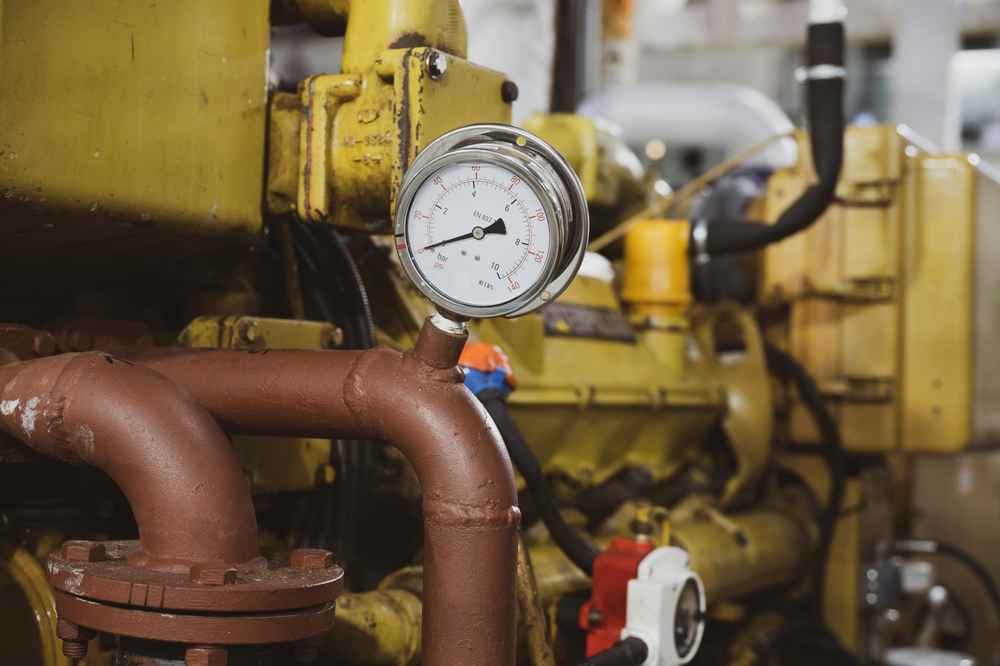
Diesel generator sets, or gensets, have become the go-to choice for many power supply needs, especially in industry, commercial buildings, healthcare facilities, and emergency situations. One of the key advantages of diesel gensets is their higher fuel efficiency compared with petrol-powered units. This article looks at the efficient fuel technologies used in generator sets and how these innovations improve performance and make them more environmentally friendly.
How Diesel Generator Sets Work
Diesel gensets run on diesel fuel. Combustion in a diesel engine works differently from a petrol engine: a diesel engine relies on high pressure and heat to ignite the fuel without a spark plug, which allows a higher compression ratio. This gives diesel engines better thermal efficiency and lower fuel consumption.
The diesel engine converts the chemical energy in diesel fuel into mechanical energy, which then turns the generator rotor to produce electricity. Thanks to this efficient operating principle, diesel gensets are widely used for heavy power loads and long-term needs.
Electronic Fuel Injection Technology
One breakthrough that improves the fuel efficiency of diesel gensets is the electronic fuel injection system. This technology replaces conventional mechanical injection systems with precise electronic control.
With an electronic injection system, the timing and quantity of fuel sprayed into the combustion chamber can be optimally adjusted to the engine load and operating conditions. This makes combustion more complete, reduces diesel fuel waste, and cuts emissions from the exhaust.
In addition, this technology can adapt to environmental variables such as temperature and altitude, so gensets can keep operating efficiently across a range of geographic conditions.
Using High-Quality Diesel Fuel
Diesel genset efficiency also depends heavily on the quality of the fuel used. High-quality diesel with low sulfur content helps protect the engine from corrosion and carbon deposits that can reduce performance.
In addition, fuel with special additives can improve combustion and lubricate fuel system components, extending engine life and maintaining genset efficiency.
Genset manufacturers often recommend industry-standard diesel fuel that meets Euro IV or higher specifications to maximize operating quality.
Turbocharger and Intercooler Technology
To improve combustion efficiency and power output, many modern diesel gensets are equipped with turbochargers and intercoolers. A turbocharger uses exhaust gas to compress the incoming air sent to the combustion chamber, increasing its oxygen content.
With more oxygen, fuel combustion becomes more complete and power output rises without a significant increase in fuel consumption. Meanwhile, the intercooler cools the compressed air from the turbocharger before it enters the combustion chamber, which further improves combustion efficiency and reduces emissions.
Emission Control Systems for Cleaner Operation
Fuel-efficient technology in diesel gensets is closely tied to efforts to reduce environmental impact. One key component is the emission control system, such as the catalytic converter and diesel particulate filter (DPF).
These systems filter and treat harmful particles and emission gases so that the exhaust released into the atmosphere is cleaner. Using low-sulfur diesel fuel also supports the effectiveness of these emission control systems.
Regular Maintenance to Preserve Efficiency
Diesel genset efficiency is strongly influenced by the condition of the engine and fuel components. For that reason, routine maintenance is the key to keeping genset performance optimal.
Key maintenance steps include replacing the fuel filter and air filter, and changing the engine oil on schedule. Inspecting the fuel injection system and cleaning fuel lines are also essential to prevent blockages and maintain combustion quality.
Alternative Fuels for Better Efficiency
Beyond standard diesel, some innovators are developing more efficient and environmentally friendly alternative fuels for diesel gensets, such as biodiesel and diesel blended with vegetable oil.
Using biodiesel can reduce greenhouse gas emissions and harmful pollutants while improving engine lubrication. However, biodiesel use requires engine adjustments and regulatory compliance to remain stable in storage and operation.
Conclusion
Fuel-efficient technology in diesel generator sets plays a decisive role in engine performance and durability, while reducing fuel consumption and environmental impact. With electronic fuel injection, high-quality diesel, turbochargers, and emission control systems, diesel gensets become a reliable and environmentally friendly power supply solution.
Routine maintenance and strict oversight of fuel quality are key factors behind the success of this technology. In addition, developing alternative fuels such as biodiesel could open greater opportunities for diesel gensets that are more economical and greener in the future.
With a deeper understanding of the technology and innovations in diesel genset fuel, users can maximize engine efficiency while contributing to lower carbon footprints and more sustainable energy use.