Sustainability Report: Uniting Ethics and Business
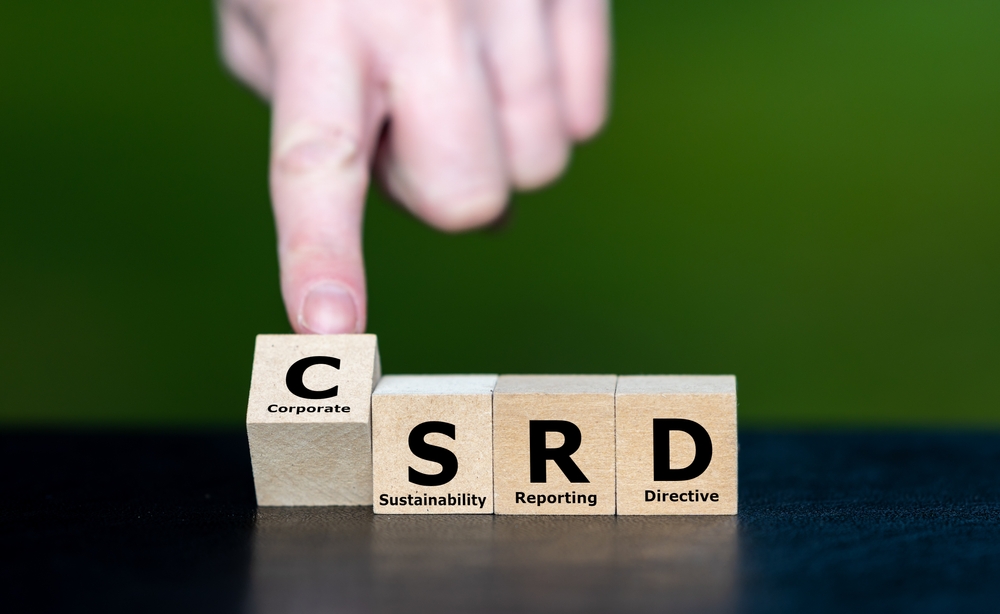
In today's business world, success is no longer measured by financial profit alone. Sustainability has become an essential benchmark for assessing how much a company positively affects society and the environment. Amid rising expectations from consumers, investors, and regulators, a sustainability report has emerged as a key tool that brings together two areas once seen as opposites: ethics and business.
What Is a Sustainability Report?
A sustainability report is a document companies prepare to communicate their performance in environmental (Environmental), social (Social), and governance (Governance) areas, often abbreviated as ESG. But it is more than a record of numbers. The report reflects a company's core values and serves as a mirror of its integrity in making business decisions.Why Should Ethics and Business Be United?
For years, businesses were often seen as sectors that only chase profit. Yet today's reality shows that businesses without a foundation in ethical values tend to lose public trust and face significant reputational risk. Ethics provides the moral direction for conducting business activities, while sustainability carries those ethical practices into concrete, measurable action. A sustainability report allows a company to show that its ethical values are not merely slogans, but part of a business strategy applied consistently.Ethical Components in Sustainability Reports
A strong sustainability report typically covers several ethical dimensions of a company's operations, including:1. Transparency and Accountability
Ethics starts with honesty. A sustainability report shows a company's commitment to being open with the public, including when it faces challenges and failures.2. Social Justice and Inclusion
This area covers fair treatment of employees, nondiscrimination, gender equality, and support for vulnerable communities. A report that presents social justice initiatives reflects a company's moral responsibility.3. Anti-Corruption and Ethical Governance
Companies that include anti-bribery policies, whistleblowing systems, and business ethics training show that their practices do not深 deviate from legal and fairness standards.4. Product and Consumer Responsibility
Maintaining product quality, providing honest information, and protecting consumer privacy are part of the business ethics described in a sustainability report.5. The Environment as a Moral Entity
A company that recognizes the environment not just as a resource, but as an entity that must be protected and respected, demonstrates an ethical maturity worth emulating.Case Studies: Ethics in Sustainability Reports
A. Technology Companies
A global technology company reported in its sustainability documents that it had established an AI ethics board to assess the social impact of its new technology products. This step affirms that technological innovation must be pursued responsibly.B. Energy Companies
In their reports, leading energy companies outlined strict policies to respect the rights of Indigenous communities (masyarakat adat) in exploration areas. They presented public consultation data and impact mitigation measures, showing that profit must not come at the expense of human rights.C. Fast-Moving Consumer Goods Companies
One FMCG company reported that it had withdrawn a product from the market after safety issues were found, even though no complaints had yet been received from consumers. The decision was based on ethical principles, with consumer protection as the top priority.Benefits of Integrating Ethics into Sustainability Reports
- Building Public Trust Communities and consumers are now more critical and choose products from companies that are ethical and responsible.
- Attracting ESG-Focused Investors Global investors increasingly use sustainability indicators to assess investment viability. Ethical companies become more attractive.
- Increasing Employee Loyalty Employees take pride in working for companies with strong moral values that make a real, positive impact.
- Reducing Legal and Reputational Risk By running their businesses ethically and transparently, companies can avoid legal violations and crises of trust.
- Creating Long-Term Value Ethics helps companies focus on sustainability rather than short-term profit alone. This strengthens their position over the long run.
Practical Steps for Uniting Ethics and Business Through Reporting
- Involve a Multidisciplinary Team: Make sure the reporting process includes legal, human resources (SDM), CSR, and operations departments.
- Use International Frameworks: Standards such as GRI, SASB, and the UN Global Compact help structure reports and make them credible.
- Make Room for Reflection: Present the ethical challenges the company has faced and how it has learned from them and improved.
- Engage Stakeholders: Involving the public, LSM (non-governmental organizations), and local communities in the reporting process strengthens its legitimacy and depth.
Challenges of Integrating Ethics into Reporting
- Conflicts of Interest: Between business goals and high ethical standards.
- Fear of Transparency: Concern that disclosing weaknesses will damage the company's reputation.
- Lack of Internal Understanding: Not everyone within a company understands the importance of ethics in sustainability.