ASEAN50 Indonesia, Explained
Thursday, 29 October 2026
Electronics

Understanding the XLR Jack: The Mic-to-Mixer Connector
By Redaksi ASEAN50 3 min read
xlr
Every audio device has its own function, and they work together to produce better sound. One component commonly used in recording studios is the XLR jack, a type of connector found on microphone packages and used to connect a mic to a mixer or other equipment. To better understand how this connector is used, let's take a look at the overview below.  

XLR Connectors in Audio Equipment

XLR connector
  1. History of the XLR Connector

The origins of this cable go back to a man named James H. Canon. His company, Cannon Electric, named its product the Cannon X. That is why the connector is also commonly called the Canon Jack Connector. Later, the connector was developed with the addition of a latch, and it was given the name XLR based on its part. Eventually it came to be known as the XLR connector. Cannon Electric did not only produce XLR connectors. Another component similar to the XLR was named the XLP. Unlike the XLR, this connector uses plastic insulation. Even so, the XLP also serves as an input connection for microphones and is sometimes used to connect to professional mixers. As a result, its function is no different from that of an XLR jack.
  1. The Shape of the XLR

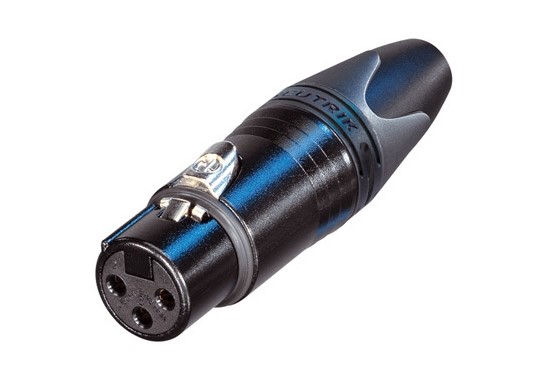
This type of connector has three pin configurations. Its function is not very different from that of the ¼ TRS balanced connector, although the two look different. Two pins on an XLR connector carry the signal in a specific way. Their purpose is to eliminate noise when the microphone is in use. The remaining pin, commonly called the ground pin, serves as the reference source for the voltage.
  1. Types of XLR Connectors

XLR connectors come in two types: male and female. A male connector has three extended metal prongs. A female connector has the same number of holes, which serve as its counterpart. Some of these connectors are mounted on a body casing or on other audio devices, such as audio mixers and sound cards. The two types of connectors are therefore functionally related. The low price of XLR connectors is an advantage. In addition, the XLR jack can suppress unwanted signals so that the resulting audio is clearer. Some of these connectors come with additional features that are quite important, such as an improved locking mechanism and a tighter housing. That is a brief overview of the XLR connectors commonly used in audio equipment. To get the most out of them, you need to choose the right connector with good quality. It is also important to consider how durable the XLR connector is so it can be used for longer. For that reason, it is best to buy these connectors from a proper, trusted place that is an official distributor.