The Role of Clinic Information Systems in Payments and Administration
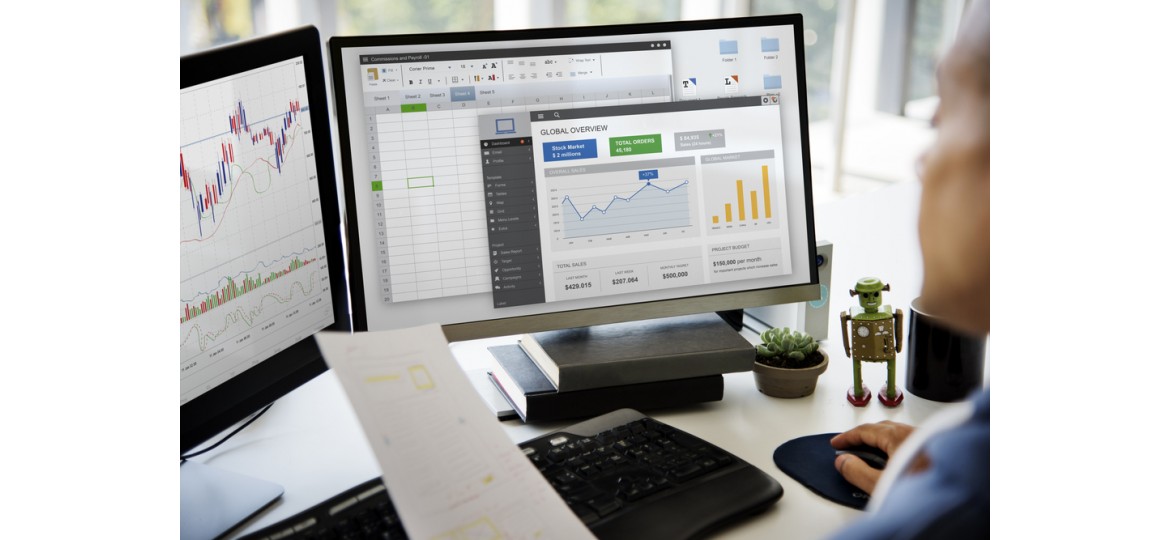
In a clinic or hospital, payment and administrative processes are an essential part of day-to-day operations. However, these processes often become complicated and time-consuming. Fortunately, clinic information systems can help make them far more efficient. Clinic information systems play a crucial role in optimizing payment and administrative processes, helping to improve efficiency, speed, and accuracy in clinic administration.
One of the main benefits of clinic information systems is their ability to automate payment processing. In traditional systems, payment processing often involves many physical documents, such as invoices, receipts, and payment records. This can lead to human error, lost data, or delays in processing payments. By using a clinic information system, all of these processes can be carried out digitally. Patient payment data can be entered directly into the system, eliminating the need to print and store physical documents. This speeds up payment processing, reduces the risk of errors, and makes it easier to record and track payments systematically.
In addition, clinic information systems can also improve transparency and oversight in clinic administration processes. With an integrated system, patient administrative data, including medical records, visit schedules, and payment history, can be accessed easily. Administrative staff can quickly view and update relevant information, ensuring that patient data is always up to date and accurate. This allows for better scheduling, efficient management of medication stock, and faster, more accurate reporting.
Clinic information systems also make insurance claims processing easier. In traditional insurance claims processes, many documents and coordination with insurers are often required. However, with a clinic information system, patient claims data can be integrated directly into the system, enabling claims to be processed automatically. This reduces the time and effort needed to manage claims and speeds up the receipt of payments from insurers. Patients can also more easily track the status of their claims, which improves their satisfaction with clinic services.
In addition, clinic information systems can also help manage inventory and supplier data updates. In clinic operations, it is essential to ensure that medication and medical equipment stock is always available. By using a clinic information system, administrative staff can monitor supplies more efficiently, receive alerts when stock is running low, and manage purchasing in a planned way. The system also makes it easy to update supplier data, including contact information and current prices, which supports better negotiation and purchasing.
While clinic information systems offer many benefits, several challenges still need to be addressed. First, implementing a clinic information system requires a significant upfront investment in infrastructure and staff training. It is also important to ensure the security of patient data and protect the system from cyber threats. Clinics also need to make sure their staff receive adequate training to use the system effectively.
In conclusion, clinic information systems play an important role in optimizing payment and administrative processes in clinics and hospitals. By automating payment processing, improving administrative transparency, simplifying insurance claims, and supporting inventory management, these systems can boost efficiency and accuracy in clinic administration. Despite the challenges of implementation and data security, the long-term benefits of clinic information systems are considerable. With the right technology adoption, clinics can improve the quality of care, reduce bureaucracy, and speed up administrative processes, delivering significant benefits for patients and medical staff.
AIDO HEALTH can help improve the efficiency of your healthcare facility by providing hospital, clinic, laboratory, and pharmacy management information systems!