Hiking Ethics: A Guide to Protecting Nature and Trekking Responsibly
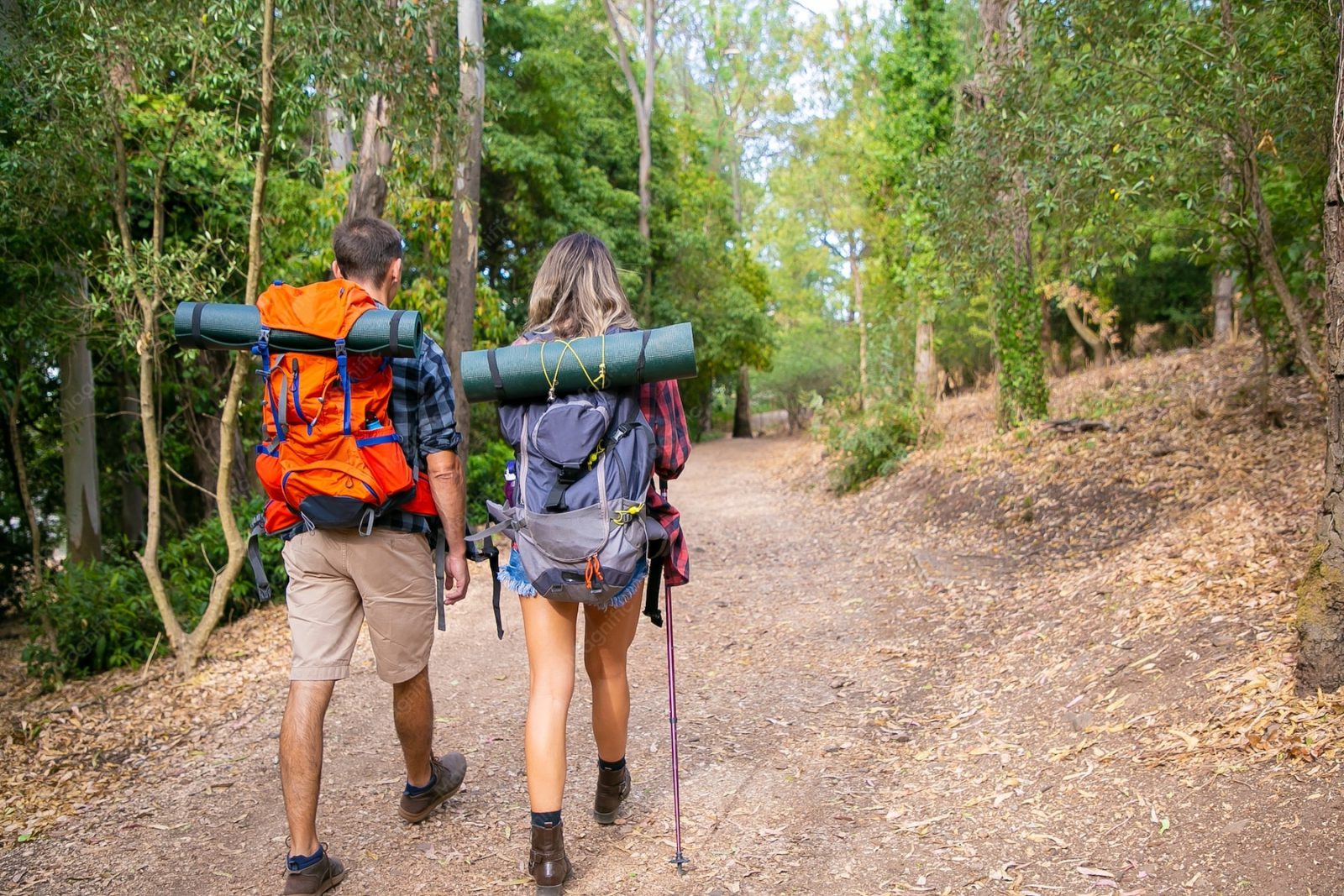
Mountain hiking has become a popular pursuit among nature lovers and adventure seekers. Yet as more people take to the mountains, it is increasingly important to understand and practice good hiking ethics. Hiking ethics is not only about how we behave on the trail, but also about how we protect nature and the environment so they remain intact for future generations. This article examines mountain hiking ethics in detail and offers guidance on responsible conduct during a hike.
Introduction: Why Hiking Ethics Matter
Mountain hiking is about more than reaching the summit and enjoying the views. It is about protecting the sustainability of the natural environment, respecting local cultures, and taking part in adventure with responsibility. Hiking ethics is a moral guide that reminds us to always respect nature and the people around us.
The Right Mindset
A hike begins long before you reach the mountainside. The right mindset is the key to good hiking ethics. It involves humility, awareness of your own limitations, and a willingness to learn from the experience.
Careful Preparation
Hiking ethics starts with careful preparation. This means checking the weather, bringing appropriate gear, and planning your route thoroughly. Good preparation helps reduce negative impacts on the environment and keeps you safe.
Leave No Trace
This principle is at the heart of hiking ethics. Every trace you leave on the mountain must be removed. This includes carrying out all of your trash, including organic waste such as food scraps. Stick to established trails to limit damage to vegetation.
Why Staying on Marked Trails Matters
Following marked trails is the best way to keep the environment intact. Creating new trails can damage ecosystems and cause unwanted soil erosion.
Managing Waste Properly
Hikers should make it a rule to carry out all the waste they produce. Do not leave trash on the summit, at huts, or along the trail. If you find litter, it is better to pack it out and educate others about the importance of proper waste management.
Camping in the Right Places
If you plan to camp, make sure you pitch your tent in designated areas. This not only minimizes your impact on the environment but also helps keep the natural beauty preserved.
The Importance of Water on the Trail
Water is a source of life, but it can also be a source of damage if it is not managed well. Using water wisely and avoiding pollution of water sources are essential to good hiking ethics.
Respecting Wildlife
One of the joys of hiking is being in the wild. It is important to respect wildlife and not disturb the animals or plants around you.
Understanding and Respecting Local Cultures
If you hike in areas inhabited by indigenous communities, it is important to understand and respect local cultures. Honor local traditions and rules, and remember to obtain permission where required.
Social and Ecological Responsibility
Beyond individual conduct, hikers also have social and ecological responsibilities. Join hiking groups that have conservation goals and take part in environmental restoration activities.
Responsible Hiking in the Digital Age
It is important to bring hiking ethics into the digital world. If you post photos or stories about your hikes, be sure not to share sensitive locations or encourage others to take actions that cause damage.
Conclusion: Protecting the Mountains for Future Generations
Mountain hiking ethics is about keeping the natural environment beautiful and sustainable. It is our responsibility to preserve these natural wonders for future generations. By following the principles of hiking ethics, we can enjoy fulfilling hiking experiences while protecting the mountains we love.
Let us commit to hiking with good ethics. Join efforts to conserve nature and keep our mountains beautiful for the future. If you want to learn more about hiking ethics and how you can contribute, feel free to explore our content at Visit Asean.